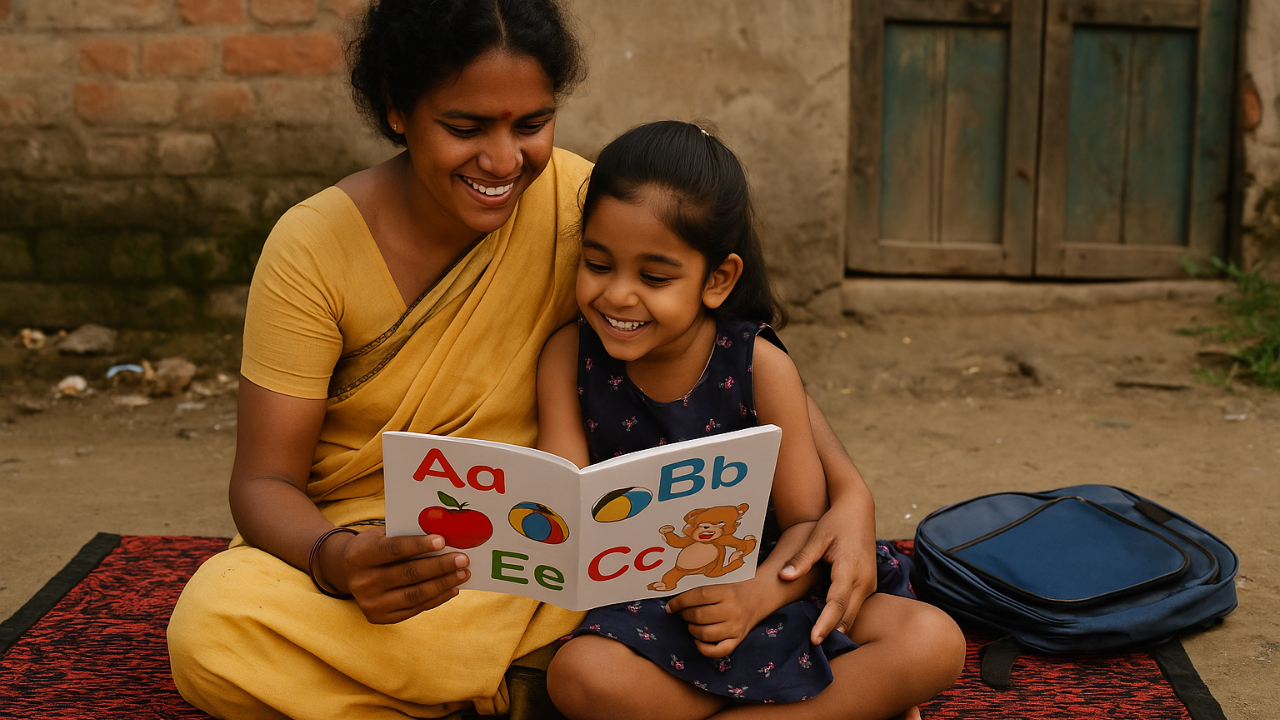
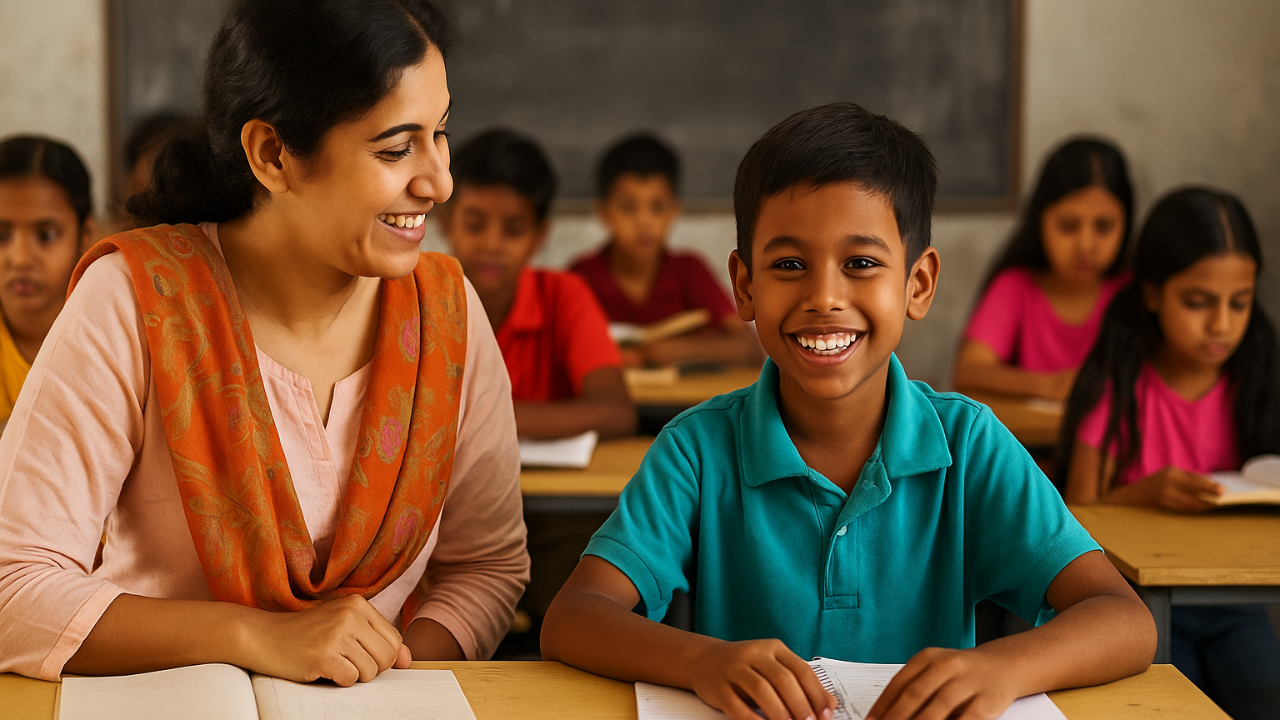
In a country with some of the world’s largest education programs, it’s easy to believe that every child today has a fair shot at learning. But for millions of children across India, education remains a distant hope — something they see others getting, but can’t afford themselves. Whether it’s the cost of a schoolbag, a missing uniform, or a parent who can’t read, the barriers may seem small — but they stop children from sitting in classrooms every day. At Eduworld Foundation & Charitable Trust, we witness this gap not in statistics, but in the eyes of children eager to go to school, yet held back by circumstances beyond their control.
The challenges start early. Many children from low-income families never even make it past primary school. Girls are often pulled out to care for siblings, while boys begin working at a young age to support their household. Government schools may be free in principle, but the hidden costs — notebooks, bus fare, exam fees — are enough to push families to withdraw their children. Without targeted support, these students slowly fade out of the education system, not because they lack ability, but because they lack access.
A child’s future should not depend on whether their parents can afford a second pair of shoes
Many children drop out not due to disinterest, but due to inability to afford small educational expenses
First-generation learners need more than books — they need guidance and emotional reinforcement
Long-term support from NGOs can help children complete their education with dignity and purpose
Access to education is not just about school
It’s about inclusion. For children in economically weak communities, going to school requires much more than just desire. It requires support, trust, and consistent encouragement. At Eduworld Foundation & Charitable Trust, we continue to walk beside these children, because we know that when one child studies, an entire family learns. Education is not a privilege — it should be a right that’s reachable, sustainable, and celebrated for every child.